
Just over two and a half years ago, I wrote about how the prior three years in the stock market had reinforced the case for long-term investing. As I sit down to update that thesis through June 30, 2026, the message is, if anything, even stronger. The specifics have changed – different headlines, different fears, different sectors leading – but the lesson for disciplined investors is the same one it has always been.
From July 2023 through June 2026, the U.S. equity market delivered one of the strongest three-year stretches in modern history. The S&P 500 returned 26.29% in 2023, 25.02% in 2024, and 17.88% in 2025 – three consecutive years of exceptional performance and a cumulative total return of roughly 88% since the current bull market began in October 2022. The first half of 2026 added another 10.2% total return despite a genuinely turbulent April. Bonds, after the historic 2022 drawdown, did their job again: the Bloomberg U.S. Aggregate returned 5.5% in 2023, roughly 1.3% in 2024, and 7.3% in 2025 – its best year for fixed income since 2020.
None of that was obvious in the moment. Consider what actually happened during the period:
- 2023 opened with the collapse of Silicon Valley Bank and Signature Bank, headlines about a broader banking crisis, and steadily rising interest rates. Many investors were bracing for the recession the yield curve had been forecasting for over a year.
- 2024 brought sticky inflation, a stalled path to Fed rate cuts, and a contentious U.S. election. The commentary asked, again and again, whether valuations – particularly in the “Magnificent Seven” – had run too far.
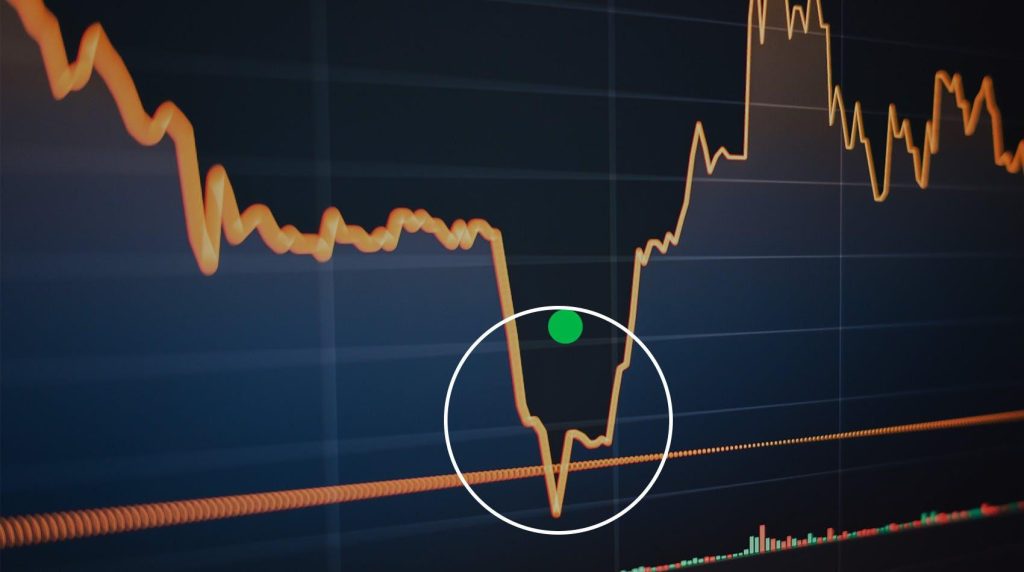
- April 2025 delivered the sharpest stress test of the period. The April 2, 2025 “Liberation Day” tariff announcement sent the S&P 500 down 11% in two days, wiping out roughly $5 trillion in market value and pushing the Nasdaq into a bear market. From the February highs, the S&P was down roughly 19%. It felt, for a few weeks, like the beginning of something much worse.
- What followed instead was a rebound for the record books. After a 90-day tariff pause on April 9, the S&P 500 posted one of its best single days since 2008 and, according to Ned Davis Research, produced the fastest recovery back to an all-time high from a correction of 15% or more in the modern record. The index closed the second quarter of 2025 at a new all-time high – up 24.5% from the April 8 low in less than three months.
- First half of 2026 was calmer on the surface but shifted leadership meaningfully. International developed stocks, which lagged badly in 2024, delivered MSCI EAFE returns of roughly 27.9% in 2025 and another ~9.8% in the first half of 2026. U.S. small and mid caps outperformed large caps. Bonds gave back a little of 2025’s strength but continued to provide portfolio stability.
Any one of those events, viewed in isolation, was a compelling reason to sell. In each case, investors who sold missed a substantial part of the recovery that followed.
Time in the market, not timing the market. The April 2025 episode is the cleanest example I can point to in my career. An investor who was out of stocks on April 9, 2025 – one of the ten best single days in market history – missed roughly 9.5% of return in a single session. Miss just a handful of the best days in any three-year window and you give back the majority of your long-run equity return. The last three years have not been an exception to that rule. They have been an exclamation point on it.
Compounding does the work. A dollar invested in the S&P 500 on July 1, 2023 was worth roughly $1.88 on June 30, 2026 – before considering how the same dollars invested in bonds, international equities, and small caps performed. Compounding is quiet, undramatic, and uninterested in headlines. It works best on portfolios that are left alone to work.
Diversification earned its keep – again. The last three years have been dominated by U.S. large-cap and technology headlines, but the leadership shift in 2025 and 2026 is a reminder of why we don’t put every dollar there. International stocks, small caps, mid caps, high-quality bonds, and dividend growers each had their moments. Broadly diversified portfolios captured most of the U.S. large-cap upside while smoothing the ride and participating in the areas that led when large-cap tech paused.
Fundamentals reassert themselves. Short-term prices move on sentiment, tariffs, tweets, and the Fed’s next meeting. Over three years, they move on earnings, cash flow, and the productive capacity of the businesses we own. The Bank for International Settlements’ analysis of the 2025 tariff episode concluded that roughly 75% of the market’s recovery from the April low was driven by factors unrelated to tariffs – chiefly corporate earnings and the underlying strength of the economy. The plumbing of capital markets is more durable than any single policy shock.
The last three years have again rewarded patience, discipline, and a focus on what actually drives long-term returns. They have again punished attempts to time the market, chase the last winner, or trade around every headline. And they have again reminded us that the most important variable in any client’s investment outcome is not the return of the S&P 500 in any given year – it is whether the client stayed invested to receive it.
At Great Point Wealth Advisors, that is the discipline we build every portfolio around: broad diversification, low costs, tax efficiency, and a written plan that gives our clients a reason to stay the course when the next headline arrives. Because another one always does.
Great Point Wealth Advisors is an independent, fee-only Registered Investment Advisor. Past performance is not indicative of future results. Index returns are not directly investable and do not reflect the fees or expenses of any specific investment. Nothing on this page constitutes investment advice for any specific person.